

What Natural Language Generation Actually Does
Explains how NLG converts raw financial data into readable narratives without manual intervention or templates.
July 2026 / 10 min read / All Levels
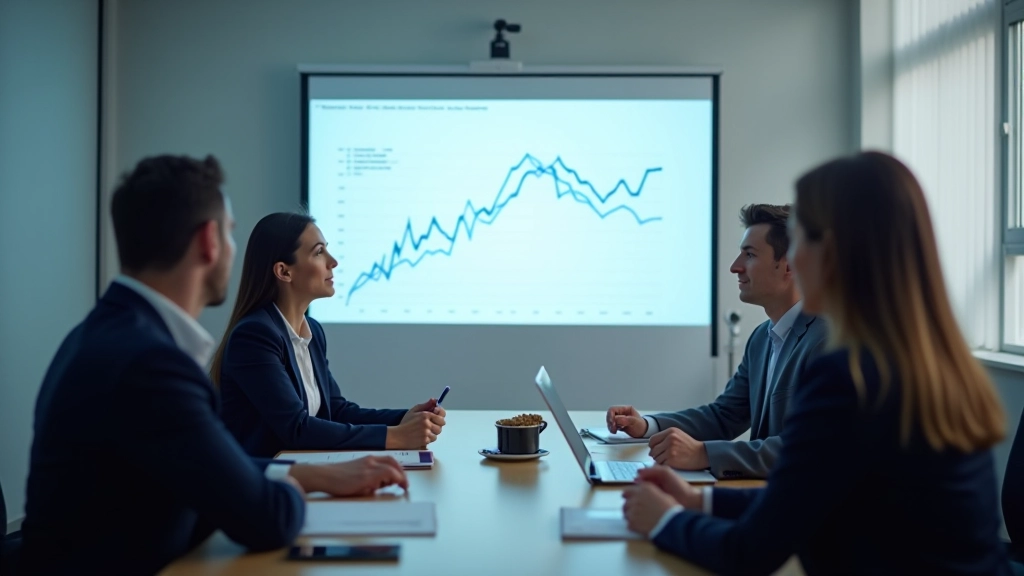
Quarterly reporting doesn't have to consume half your summer. Natural Language Generation (NLG) automates narrative creation from your raw financial data, cutting weeks of manual writing down to days. Here's exactly how it works and what timeline you're looking at.
Most reporting teams follow this cycle: extract data on Monday, spend Tuesday through Wednesday writing narratives, Thursday reviewing, Friday polishing. That's 4-5 days minimum—and that's if nothing breaks.
With NLG, you're looking at a different rhythm. You extract data Monday morning. By Tuesday afternoon, you've got complete narrative sections. Wednesday is pure review and fact-checking. Done by Thursday lunch.
The real win? The system doesn't get tired. It doesn't miss edge cases because it's been staring at spreadsheets for six hours straight. And it applies the same writing standards to every section, every time.
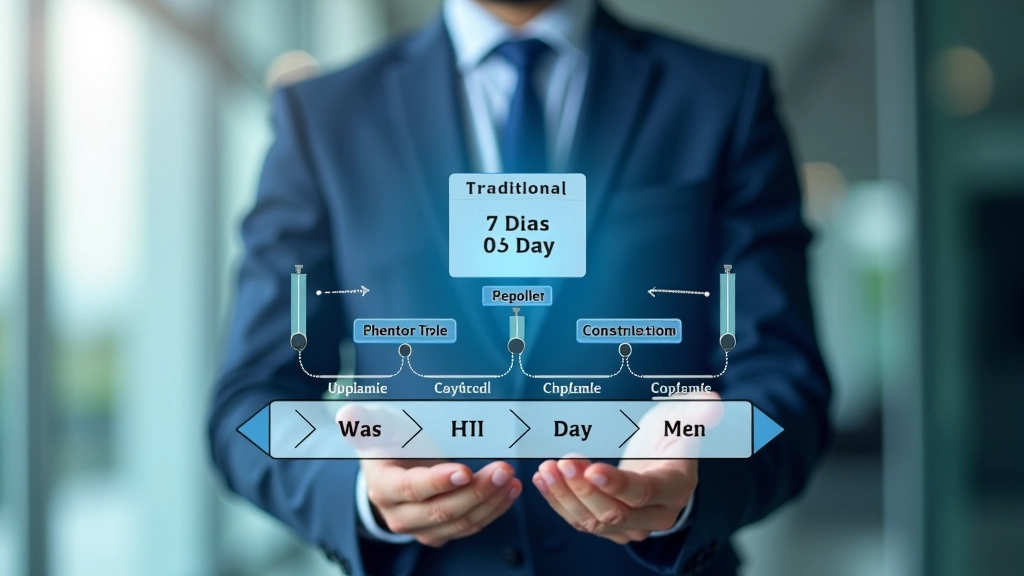
You're pulling from the same systems you always have. NLG just plugs in automatically. No more manually copying numbers into Word documents or waiting for someone to format Excel exports. The connection runs once, then updates every reporting cycle.
You schedule the report to run at 6 PM. When the team arrives Tuesday morning, all section narratives are ready. Revenue trends are written. Variance explanations are done. Footnotes are drafted. This isn't a rough first pass—it's complete, coherent narrative text.
Your team shifts from "create the words" to "verify the words." They're checking accuracy, adding context NLG missed, removing anything too technical. It's faster because you're editing a solid draft, not starting from blank pages.
NLG applies the same tone, structure, and detail level to every section. Your revenue narrative reads the same way as your expense narrative. Your Q1 report sounds like your Q2 report. No more inconsistency from different writers or different moods on Friday afternoon.

The biggest time saver isn't narrative generation itself—it's what doesn't happen. You're not waiting for a writer to finish a section. You're not going back-and-forth on wording. You're not rewriting the same variance explanation three times because the numbers changed overnight.
Most teams report losing 8-12 hours per cycle to false starts and rework. NLG eliminates that. You get one solid draft that's 80-90% ready for publication. The remaining 10-20% is genuinely valuable review work, not busy writing.
One analyst told us: "I used to spend two days just writing revenue commentary. Now I spend two hours reviewing it. The system got the trends right, the numbers are accurate, the tone matches our style guide. I'm checking for things only a human should catch—context, nuance, whether something needs a footnote. That's work that actually matters."
NLG is a tool for generating narrative text from financial data—it's not a substitute for human review, expert analysis, or professional judgment. All automated narratives should be reviewed by qualified analysts before publication. NLG works best when combined with clear data validation, established reporting standards, and human oversight. For specific guidance on your reporting process, consult with your finance and compliance teams.
Here's something you don't realize until you're managing multiple analysts: everyone writes differently. One person writes "revenue declined due to" while another writes "we experienced a revenue decrease because." Multiply that across ten sections and three analysts, and your report sounds like it was written by three different companies.
NLG applies one voice to everything. Same structure. Same terminology. Same level of detail. This matters more than you'd think—investors notice consistency. Regulators expect it. Your own team appreciates not having to mentally adjust to different writing styles every section.
It's not about forcing personality out of your report. It's about ensuring professional quality from the opening paragraph to the final footnote, without depending on which analyst happened to have time that week.


One concern we hear: "Won't the system get numbers wrong?" The short answer: it won't. NLG reads your actual data and converts it into English. If your spreadsheet says revenue is $2.3M, the narrative will say revenue is $2.3M. There's no interpretation, no rounding error, no typo.
What NLG does is describe the data. It calculates the percentage change. It identifies which category grew fastest. It flags variances that exceed your thresholds. But it's working from the numbers you give it. You validate the source data the same way you always have. The narrative follows.
This is actually a time-saver in itself. Manual writing introduces human error—typos, transposed numbers, miscalculations. NLG removes that category of error entirely. You're still responsible for data quality, but you're not adding a new layer of transcription mistakes on top of it.
When you cut reporting time from 5 days to 2-3 days, you're not just saving time. You're reducing stress in the final week of each quarter. You're giving reviewers time to actually review instead of rushing. You're making it possible to publish earlier, which matters for investor relations and regulatory compliance.
The analysts we've worked with describe the same thing: the first time they see a complete narrative draft ready Tuesday morning, something clicks. Suddenly quarterly reporting feels manageable instead of chaotic. The heavy lifting—converting numbers into words—is done. What's left is the work that actually requires human judgment.
That's what NLG time savings really means. Not less work. Better work, faster.

Editorial Team
Written by the Narrative Pulse editorial team, focused on practical guidance for automated narrative writing in quarterly reporting.
Explains how NLG converts raw financial data into readable narratives without manual intervention or templates.
Step-by-step walkthrough of connecting data sources and generating your first automated quarterly narrative.

Five things analysts get wrong when first using automation. How to avoid them and get better results faster.